
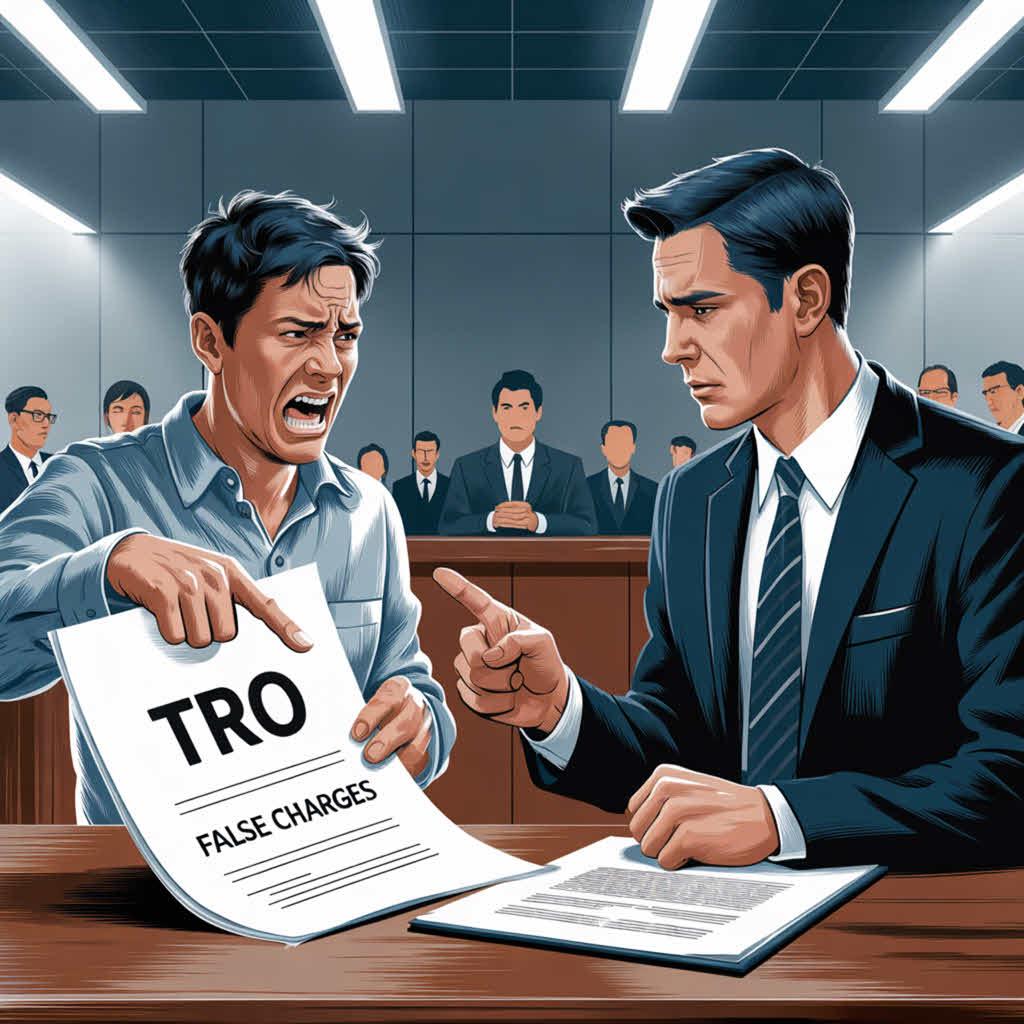
In Stuart v. Brookfield Properties, the tenant alleges that Brookfield fabricated a debt in retaliation after he reported years of unexplained annual overcharges—these charges appeared without explanation and then quietly disappeared months later.
Brookfield’s defense relies on procedural arguments and shifting explanations. It’s cartoonishly silly as illustrated below.
Brookfield Properties argues that the disputed debt they fabricated was not retaliation but a legitimate “correction” of prior charges, even though that lease had already been closed and renewed in good standing.

Brookfield does not explain how the account suddenly developed a large debt – immediately after the tenant reported overcharges – nor do they provide accounting that connects these events.
Does Brookfield’s actions violate the tenant’s right to quiet enjoyment?
Michael Stuart is one of the extraordinarily rare individuals who sits at the intersection of military discipline, real-estate insight, advanced technology expertise, corporate executive experience, and lived understanding of HUD-VASH housing systems.